 Student Login








Switching career paths is a challenge, especially if you’ve dedicated years to a particular industry or employer. However, as people reach middle age, they often discover they’ve lost their passion and motivation for their work.
Making a career change in your 40s is an empowering, strategic move, but it isn’t always simple. Here’s everything you need to know before taking the leap.
The Mid-Career Advantage: Why 40 Is the Perfect Pivot Point
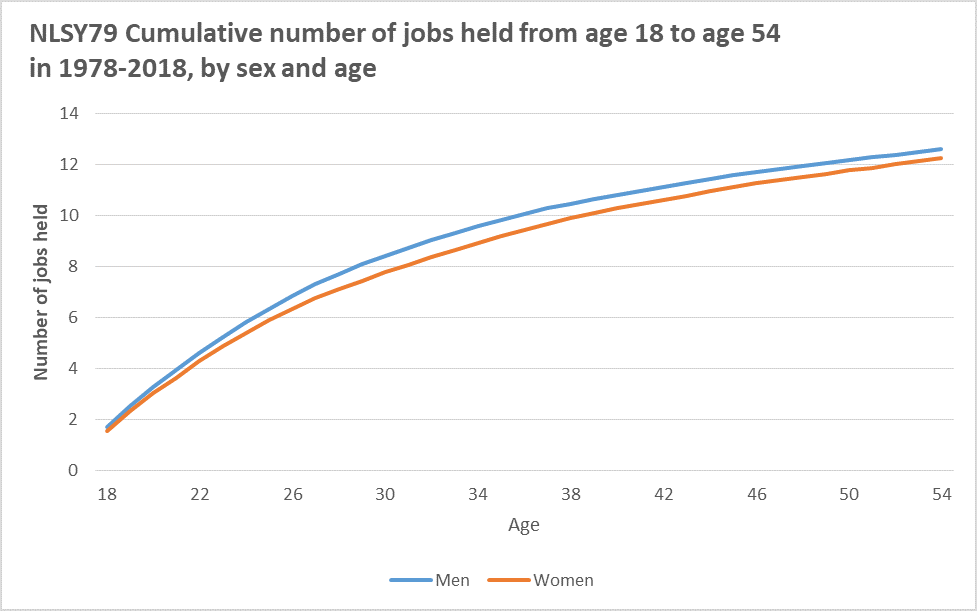
If you’re considering a new career, you aren’t alone. Research from the U.S. Bureau of Labor Statistics shows the average American holds two different jobs between the ages of 38 and 50.
The Value of Perspective
Midlife is the ideal time to make the jump from one job to the next, in part because you have a better understanding of yourself. Planning your career path right after graduating is overwhelming because you haven’t had the opportunity to try different things and see if they’re a good fit.
At this point in your life, you can articulate your goals more clearly. Your career experience has taught you not only what you want out of a job but also what you don’t want. This puts you in a better position to decide what types of positions and fields to pursue.
A Mix of Experience and Longevity
The key to developing resilience during career changes is recognizing what you have to offer. Most people at age 40 still have a long career ahead of them, but they’ve also accumulated extensive experience over the past two decades. Rather than starting fresh, you’re putting your expertise and wisdom to use. You have wisdom and essential transferable skills for a career change, including communication and leadership.
Auditing Your Superpowers: Identifying Transferable Mid-Life Skills
This isn’t your first time job hunting, but you’ll need a different approach than the one you used in your 20s. Before you start filling out applications, learn how to make a career change at 40.
Reflecting on Your Soft Skills
Avoid focusing too much on your past job titles. Instead, think about the in-demand career skills they’ve helped you develop. Look back at all your past roles and major projects and create a list of what you achieved. Next, identify soft skills related to those accomplishments, such as:
- Adaptability, or how you managed change
- Leadership, including leading teams, departments, or projects
- Problem-solving and strategic thinking, or ways you understood your industry, future trends, or obstacles
- Relationship building and communication, particularly connecting with diverse groups of people at various levels of your organization, ranging from clients to executives
Finally, look at job postings related to your professional goals. Examine the descriptions and find places where your skills align with the requirements. This process will help you determine which job is best for your career change.
Upskilling for Adult Learners
During your audit, you may discover you’re missing some of the skills you need, but don’t get discouraged. You can close these knowledge gaps through targeted certification programs or higher education.
Returning to school at 40 is daunting, but filling the blanks in your skill set will ease your transition into a new job. Upskilling through an online program is especially beneficial. For example, when pursuing a graduate degree at City University of Seattle, you can prepare for your next job without leaving your current one.
Confronting the ‘Starting Over’ Myth and Owning Your Experience
The average age for career changes is 39, but ageism in job applications is a legitimate concern. To address it, shift your narrative and mindset.
Look at your age as an asset rather than a disadvantage, and remember you aren’t starting from scratch. You don’t need to throw everything you’ve done out the window.
When you speak to prospective employers, position your years of experience as proof of your strengths and abilities. Embrace the Context, Action, Result (CAR) framework to describe what you’ve done so far. Explain a set of circumstances or challenges you faced, describe the steps you took to overcome them, and explain the results of your actions.

Leveraging Your Most Valuable Asset: The Established Professional Network
Companies get hundreds of applications for jobs, and it’s easy to get lost in the mix. Relying exclusively on cold applications makes your job hunt longer and more stressful.
During a midlife career change, your existing professional network is a goldmine. Over the years, you’ve connected with people through employers and events. Those relationships can help you develop a network aligned with your future goals.
Doing LinkedIn informational interviews, before and while completing applications, is crucial:
- Optimize your profile: Write an engaging headline and an about section explaining why you want to pivot and what experience you bring to the table.
- Start your search: Use the LinkedIn search bar to look for your job title and local area.
- Filter your results: Try filtering by 2nd degree connections or alumni groups so you have a common factor to mention.
- Build your network through conversations: Reach out and ask about their career journey and their company.
- Following these steps gives you access to insider advice and allows you to explore possible career paths. You’ll also build genuine relationships with people who can help with your job search.
Building Your Transition Map: From Vision to First Day
A career pivot in your 40s generally doesn’t happen overnight. Plan to spend around 3 to 12 months on your transition, starting with your skills assessment and concluding with your first day at your new job. During this period, review your finances carefully and set money aside in case you have a pay gap between positions.
If you’re questioning whether this jump will benefit you for the long term, try taking smaller steps first. For example, you can volunteer or do temp work with a potential employer to see how you feel about the work environment and duties.
CityU helps mid-career professionals prepare to change careers and achieve their goals. Check out our tips for making a career change at 40 to build a solid transition map. When you’re ready to earn a degree or certification for your next position, find your program at CityU.