
 Student Login








Comparing your academic options is a crucial step before registering for classes. Begin by looking at how much community colleges cost, how their tuition compares to four-year institutions, and how you can avoid excessive debt.
Understanding Community College Costs in 2025
What you pay to attend community college differs based on where you live and which institution you choose. However, the average cost is typically around 35% of the in-state tuition and fees at a public university, making community college a much more affordable option.
Is Community College Free?
Most community colleges aren’t free, but some states have tuition-free programs. The requirements and limitations on these programs are state-specific. In addition to education requirements, such as obtaining a high school diploma, some state programs also have income caps.
For example, Vermont’s community college grant is only available to students whose families earn $100,000 per year or less. In contrast, Michigan’s tuition-free program for community colleges has no income limit.
Average Tuition and Fees
Tuition and fees vary by state and school, but in-state students at public community colleges pay around $3,780 per year, on average. Costs for out-of-state students are higher, with average tuition of approximately $8,990.
Private community colleges are typically more expensive than public schools. Their average tuition rate is around $18,282. International student tuition is usually similar to the out-of-state tuition rate, but some schools may require testing or language courses.
Cost Breakdown by State: Comparison Table
Individual schools usually set their own tuition rates, but state policies often influence how much one community college class costs. These are some of the states with the highest and lowest tuition and fees for in-state students.
| State | Average in-state tuition |
| South Dakota | $7,780 |
| New Hampshire | $7,460 |
| Vermont | $7,270 |
| Alaska | $6,490 |
| Minnesota | $6,350 |
| Florida | $2,800 |
| North Carolina | $2,650 |
| Arizona | $2,270 |
| New Mexico | $2,020 |
| California | $1,350 |
Factors Influencing Community College Costs
While it seems logical for every student attending the same program to have the same tuition bills, the reality is often different. Your unique circumstances will ultimately dictate how much you pay, potentially making your tuition dramatically more or less than your classmates’.
The Main Costs of Community College
Community college tuition rates fluctuate based on the economy, enrollment levels, and other issues. They also change depending on key elements specific to your academic experience, including:
- Residency status: Tuition and fees at community colleges in your home state are usually lower than if you attend a program outside of your state. Many states also offer grants to reduce or eliminate tuition for in-state students.
- Program type: The amount of tuition you pay also differs based on whether you’re attending a degree or certificate program. Earning an associate’s degree usually costs more than a certificate.
- Additional fees: Many colleges charge fees for technology and student activities. If you’re taking a lab or a course with specialized equipment, you may have to pay extra fees.
- Course load: The number of college credits you take directly affects tuition. Taking a heavier course load will raise the cost, but it may also allow you to complete your program more quickly.
- Type of school: Specialized or private schools tend to charge higher tuition rates than other community colleges. These institutions often have smaller class sizes and niche programs.
Considering these points can help you make a more informed decision about what school you want to attend. For instance, you might opt to complete an accelerated program at a public community college to earn your degree more quickly, pay lower tuition, and spend less on fees over the course of the program.
Additional Expenses
When you calculate the cost of attending community college, remember the hidden expenses you’ll likely have to cover. For example, you may need to purchase books and supplies, such as a laptop or computer.
Many students have to pay for living expenses and room and board costs, including rent and utilities. Depending on the distance to the school, you may also have to pay for transportation, whether you have to buy gas for your car or a bus pass.
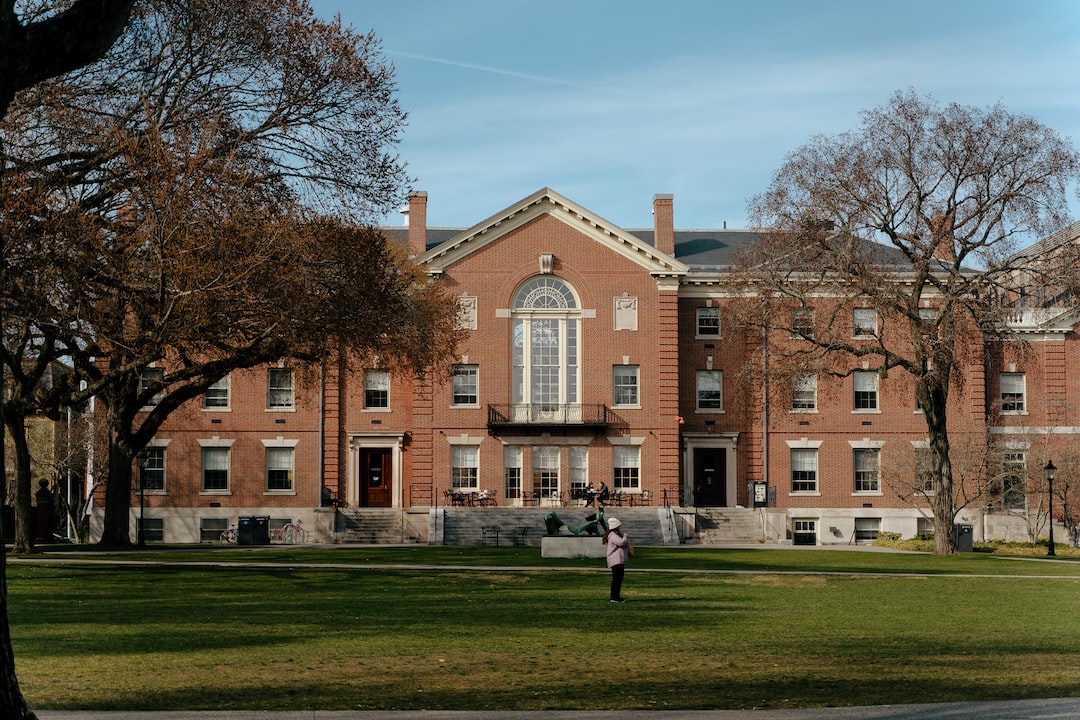
Alt text: On-campus housing can make the cost of community college significantly higher.
Academic Support
As you begin researching ways to pay for your college degree, don’t assume government or private loans are your only option. You may qualify for academic financial aid programs, including scholarships or grants, which, unlike loans, you never have to pay back.
These programs are available for a wide range of students based on factors such as their field of study or status as a first-generation college student. If you had excellent grades in high school, you can also apply for scholarship or grant programs rewarding academic excellence. Other programs are need-based, helping students from low-income households.
Speaking to a financial aid counselor or searching an online scholarship database can help you narrow down your options and decide which programs are best suited to you. At City University of Seattle, the CityU Financial Assistance page includes a list of internal and external scholarship programs.
Minimizing Student Debt: Smart Tips
Students who graduate with school loan debt face pressure to find high-paying jobs and may struggle to make their loan payments. Keeping your school debt low alleviates much of that stress and gives you more financial freedom.
These tips will help you avoid accumulating large amounts of debt while attending community college:
- Work while learning: Consider getting a job or applying for work-study programs so you can pay for your expenses directly rather than taking out additional loans.
- Ask about employer assistance: If you have a job, talk to your employer about any tuition assistance or reimbursement programs they offer.
- Test out of classes: Some courses, such as foreign languages, allow you to take a proficiency test and begin at a more advanced level if you previously studied the subject.
- Live off-campus: Although it might help you feel connected to the college community, on-campus housing is often more expensive than off-campus options, particularly compared to living at home with family members.
Attending community college in itself will help you keep your student debt down. Most of these programs are substantially less expensive than similar ones at four-year colleges and universities.
Comparing Community College Costs to CityU’s Associate of Science in General Studies FLEXCourse Program
Determining how much classes cost at community college is difficult because of the many variables involved. Generally speaking, traditional community college programs can cost upward of $700 per course, assuming the student is in-state. As an out-of-state student, you could easily pay triple that amount.
CityU’s FLEX Associate Degree Program simplifies course pricing. All classes in the FlexCourse format are $675, which includes most fees for labs and electronic resources. In addition, the program’s flexible schedule allows for earning a regular income, which can help you pay for school without taking on debt.
With a schedule that focuses on only one course for five weeks and 1:1 attention, you can earn your degree while you continue to work. This kind of flexibility is especially important for nontraditional students who are already immersed in their professions. You, your computer, and your professor’s support are all you need to meet deadlines within the course’s beginning and end dates while also sticking to your own timeline. Finish your classwork early? Enjoy a longer break before your next course begins.
Want to dive into higher learning without giving up your career? Request more information about the Flexcourse delivery option associate’s degree program at CityU.
Reviewed by Pam Davis, School of Business and Management Enrollment Advisor at CityU of Seattle.