
 Student Login






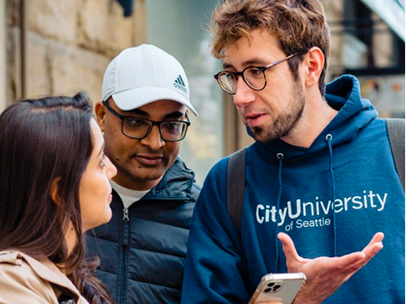

And that means your college experience could look very different than your average 18-year-old’s. That’s not necessarily a bad thing, but it does mean you may face new challenges this time around. Don’t let that scare you off, though. These tips will help you choose the right college and build a strong support system so you can thrive inside and outside the classroom.
Who Qualifies as a Non-Traditional College Student?
Adult learners, returning adults, even “mature” students — these are some of the labels that colleges use for people who don’t fit the classic mold.
So, what is a non-traditional college student? It’s anyone who isn’t your typical dorm-living, 18-to-22-year-old, full-time learner.
This includes:
- Adults over 25 years who are working on their associate’s or bachelor’s degree
- People working full- or part-time while going to school
- Students who took a break, like someone who left college after three semesters and then came back
- People with family responsibilities, including caregivers and single moms
- Anyone with military or family responsibilities
Why More Students Are Choosing the Non-Traditional Path
You might be afraid that you’ll be the only non-traditional learner in a sea of Gen Z, but that’s not true. Over 69% of students work while studying, and 40% are older than 22, which means non-traditional learners are the new majority.
Part of this shift comes from the growing importance of a college education. By 2031, 72% of American jobs will require some level of college. And with the explosion of artificial intelligence and other technologies, the skills workers need are changing. Returning to college is one of the best ways to grow your toolkit and stay competitive.
And with more schools offering online and distance learning, it’s easier than ever to fit your classes around the rest of your schedule. You can watch a lecture while sitting on the sidelines of your kid’s soccer practice or catch up on homework during your lunch break.
3 Unique Challenges Non-Traditional Students Face
When comparing traditional and non-traditional college students, the main difference is typically how they spend their time. Sure, everyone’s busy — that’s just part of college — but non-traditional learners usually have extra commitments.
You may need to juggle your own classes with the morning daycare run or caring for an aging parent. Or you might rush from a work meeting straight to a final exam. These challenges aren’t complete roadblocks, but they do mean you’ll need to manage your time wisely.
Finances can be another stressor. While traditional students often get help from family, you might be covering tuition costs by yourself. That’s a lot of pressure, even with financial aid or student loans.
Higher education has changed, too. Suddenly, you need to turn in assignments online and figure out how to unmute yourself on Zoom. And your study skills are probably rusty, too. But that doesn’t mean you should give up. With the right student support services, you can thrive inside and outside the classroom.
5 Things To Look for in a College if You’re a Non-Traditional Student
The best colleges for non-traditional students aren’t necessarily the popular state schools or the ones down the road. They’re the ones that recognize you’ve got a full life and still give you a great student experience.
1. Ease of Enrollment Matters
First, consider the ease of the enrollment process. A school that provides a high-touch experience, one with an engaged and supportive Enrollment Advisor, will give you the experience you’re looking for when returning to school as a non-traditional student.
Let them take most of the process off your plate by:
- Simplifying the official transcript ordering process
- Introducing you to the departments critical to your successful enrollment
- Registering you for the classes you need to succeed in your first quarter
2. Ongoing Academic and Student Support
Feeling supported as an adult learner is critical to academic success. You’ll want to look for programs that not only provide support for enrollment but also throughout your academic journey to graduation. An Academic Advisor will do just that.
Having an Academic Advisor can help you find the right balance between all your responsibilities. They’ll also make sure you’re enrolled in the right classes so you can graduate on time.
Not sure what elective to take or if you have the right reasons to pursue a graduate degree? Or maybe you want to study with a professor who supports dual language learners. Your Advisor is there to help.
They even serve to connect you to the right departments and contacts to ensure you aren’t taking on too much debt. For example, they might share scholarship opportunities for your major or tell you how to save money by taking Composition 101 at a community college.
3. Financial Aid and Payment Options for Adult Learners
Having the ability to pay for your tuition with minimal stress is ideal, right? As a non-traditional student, money will always be a major factor when considering which college will be best for you.
Aside from the actual cost of tuition, you’ll want to research whether the school has a Financial Advisor to offer financial aid advice for students. That’s especially helpful for adult learners, who often have more complicated finances than fresh high school grads. You may not be eligible for certain grants or need emergency funding if your car breaks down.
Being able to interact with financial representatives is key to successfully financing your education. Also, be sure to ask about payment options like plans, employer partnerships, and any available scholarships or tuition reductions.
It is always encouraged to complete your FAFSA, too! It doesn’t affect you negatively in any way, but it can provide information on whether you qualify for loans and grant money.
4. Flexibility in Course Delivery and Credit Transfer
Finishing school quickly can help you achieve your goals faster. Plus, you’ll spend less money on childcare, textbooks, and other “hidden” expenses.
Schools that consider your previous work training and experience (in addition to academic credit) can get you closer to the finish line fast. Consider credential programs like:
- Prior Learning Assessment (PLA), which may involve passing an exam or creating a portfolio to show what you’ve learned outside of school
- Credit for military training
- College-Level Examination Program (CLEP), which lets you test out of classes like Introductory Psychology and College Composition
Also, decide whether you’ll need increased flexibility options for your courses. Being 100% remote might work best for you if your home and work responsibilities change throughout the year. For example, an accountant probably can’t make it to campus every day during tax season, while a parent might need to work around the basketball season.
Some schools even let you switch back and forth between formats. You could take some classes in person and others exclusively online. Or opt for hybrid classes. They let you get face time with the professor and offer in-person peer support while completing some of your work online — a win-win.
5. Career-Relevant Programs and Outcomes
While higher education can be personally rewarding, you also want it to boost your career. Great programs teach skills you can use right away. That might be learning software like Tableau — always helpful for data analysis — or giving more persuasive client presentations.
Career services make a big difference, too. City University of Seattle’s Career Center organizes networking events, like job fairs, where you can chat with local employers. They also give feedback on resumes — “Is this too much white space?” — and let you practice interviewing.
FIND THE RIGHT PROGRAM FOR YOU
Questions To Ask Before You Choose a College
As you research degree programs, consider these questions:
- What types of classes does this college offer (in-person, remote, hybrid)? Can I switch formats later?
- Do they offer career support?
- Is there an Academic Advisor to help me with my classes?
- Will my credits transfer, or do I need to start from scratch?
- What sort of financial aid could I qualify for? Do they offer specific grants or scholarships for adult learners?
- Are there student services, like a writing center and time management workshops?
Tips for Building Your Support Network
When you’re feeling unmotivated or need to borrow notes for Friday’s exam, you need friendly peers you can count on. Join student groups related to your interests, like a creative writing club or criminal justice society.
Online discussion boards can also be a goldmine for connection. If you notice people posting thoughtful responses, reach out and invite them to a Zoom study session. An accountability buddy could be just what you need.
Balancing College, Work, and Family: Practical Strategies That Work
As you juggle school with everything else, these tips will help you keep all the balls in the air:
- Don’t overcommit yourself to too many classes.
- Block out time in your schedule to study, and guard it jealously.
- Ask your employer for flexibility, like working from home on days you have class.
- Set boundaries with your family, such as not interrupting you during online lectures.
Finding a College That Fits Your Life
As a non-traditional student, flexibility is everything. Choose a college with programs that fit your lifestyle and career goals. Attentive advisors and credit for prior learning are non-negotiable, too.
CityU offers online, hybrid, and in-person learning to fit any schedule. Our friendly advisors will help you fit your degree around your busy life, not the other way around. Learn more about how CityU can help you finish your degree.