
 Student Login




Understanding the Challenges Faced by Single Moms
As a single mom, you juggle a lot on your own. It can seem like you’re always working or caring for your kids, leaving little time to yourself. Those responsibilities can feel even heavier without a partner to share the load.
Single moms also face more economic obstacles than married parents or single dads. Most work full-time, but 28% live at or below the poverty level. The typical income for a single mom is $40,000.
A college degree gives you more opportunities. It increases your earning potential and can help you create a more comfortable life for yourself and your family.
Single moms already wear a lot of hats, and adding “student” is no small feat, but you’re not alone. City University of Seattle is here for you with support and guidance, starting with how to go back to school as a single mom.
Setting Personal and Professional Goals
Before you start your college journey, it’s important to define your “why” — what you want to get out of the process.
For example, maybe you’ve always wanted to be a teacher. You set your sights on a bachelor’s degree in education and a job in a local elementary school so your schedule aligns with your kids’.
You might also have lifestyle goals like moving to a bigger house or a neighborhood with high-ranked schools. You decide to pursue a degree in a high-demand field like data science.
Once you have your big-picture goal, you can identify the smaller personal and educational goals that will get you there. Maybe your first goal is finding the confidence to go back to school, having been away for a long time.
Keep creating goals that will lead you through your journey. Be as specific as possible, using language like “finish my first course by Christmas” or “earn a grade point average (GPA) of 3 or higher.”
Studies have shown that writing down your goals increases your likelihood of achieving them. Save your written goal statements somewhere you can easily access them and track your progress. You’re more likely to persist if you know what you’re working toward.
Finding Educational and Financial Resources
If something in you says, “I’d love to, but I can’t afford it,” you’re not alone.
Aspiring students still see cost as the biggest barrier to higher education, but it doesn’t have to be that way. There are many kinds of financial assistance, from student loans to grants and scholarships you don’t have to repay.
Scholarships and Grants for Single Parents
Don’t let the word “scholarship” intimidate you. While select scholarships go to high-achieving students, some focus on serving those with barriers to access. There are need-based and equity scholarships for almost every demographic group, including single moms.
Sallie Mae®, the country’s leading student aid organization, has a scholarship search tool called Scholly Scholarships that lets you choose your eligibility criteria. Filter by state of residence, ethnic origin, college major, and more. You can even select scholarships specifically for single parents.
That’s just one of the free search tools out there. Google “scholarships for single moms” to get started. Also, once you’ve narrowed down your school options, you can look at your top choices’ financial aid options.
Budgeting for Education Expenses
Scholarships can lower the cost of college education, but 99.9% of students pay part of the cost themselves. Finding the money as a single parent can be challenging, but discipline counts for a lot.
Start by reviewing your monthly income and expenses. If you have anything left at the end of the month, consider how much can go toward your school costs. Remember that if all goes well, your degree will increase your income. Saving less now may help you save more later.
If things are already tight, get tough about cutting costs. Start by researching options for your regular necessities, such as a cheaper cell phone or car insurance plan. Remember that you’re not budgeting forever — just for as long as it takes to get your degree or certificate.
Online Degree Programs
Online courses and programs make going back to school as a single mom much more accessible. You can study at almost any level, earning anything from a professional certificate to a full doctorate, without commuting to a campus.
You can find online degree and certificate programs in some of today’s most in-demand fields, including business management, education, information technology, and mental health counseling. Imagine doing all your coursework and homework while your kids are in the other room — or doing their homework alongside you!
Support Networks and Community Resources
Being a single mom can feel isolating, but you don’t have to navigate this journey alone. Join a community parents network online or in person and build connections. Join a single moms social group or a study group for non-traditional students.
Ask other parents what resources are available in your area. Depending on where you live, there may be opportunities and support for single parents or families in your income group. Schools and daycare centers often know of many options.

Balancing Education and Parenting Responsibilities
Being a single mom is already a balancing act. Going back to school as a single mom adds a new level of challenge — but if anyone can face a challenge, it’s a single parent.
Creating an Effective Study Schedule
Single moms are scheduling superheroes. You get your kids where they need to go, put meals on the table, and find time to run errands. Now, you need to find time to study.
If you have a set class schedule, fit those times into your planner. Then, set aside time to study. Aim for two weekly hours of study time for every one hour of class time.
Spread those hours out as evenly as possible, choosing times you will most likely stick with. Kids’ activity times and after bedtime can be consistently valuable study hours.
As time goes on, you’ll learn more about how much study time you need. Adjust your schedule accordingly.
Finding Childcare Solutions
When you’re going back to school as a single mom, you might need to get creative about childcare. Maybe a required class happens after school, or you need to meet with a study group at a time when your regular childcare isn’t available.
Consider childcare options you haven’t used before. For example:
- Arrange a childcare swap: Friends or neighbors watch your kids when you have class or homework, and then you return the favor.
- Hire a classmate or neighbor: Students often appreciate the scheduling flexibility of a babysitting job. Take advantage of your student network to find someone you trust.
- Research childcare subsidies: Each state has financial assistance for childcare. Look up your state for eligibility details and applications.
Never feel bad about tapping your network! Other single moms have likely faced similar issues and have creative solutions.
Staying Motivated Throughout the Journey
Getting a college degree takes time. Here’s how to stay motivated and on track.
Building a Support System
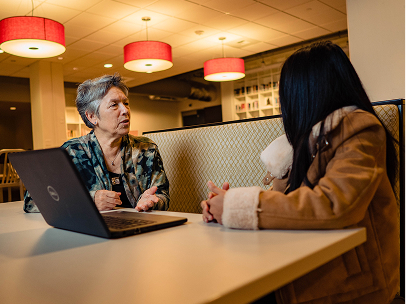
Single moms often feel like they have to do it all, but no one succeeds alone. Have the courage to tell friends and family that you’re going back to school and that you’ll need some extra help and encouragement.
People might not always know exactly what you need. They’ll appreciate it when you ask for something specific, such as babysitting while you study or picking your kids up while you’re in class. Some people will only have the bandwidth to cheer you on. That’s a valuable contribution all on its own!
Celebrating Milestones
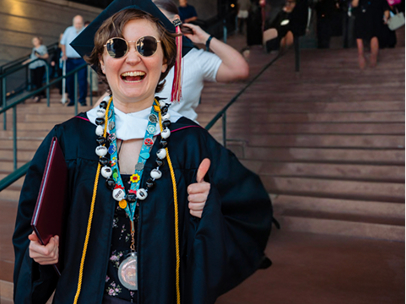
As a parent, you celebrate your kids’ many milestones, from first words to first time at the voting booth. Your achievements deserve celebration, too!
Any time you reach a milestone in your educational journey, do something small — or big — to celebrate.
Taking Care of Your Mental and Physical Health
In a 2023 survey, half of all college students said their physical well-being impacts their academic success. That number is higher for students with mental or physical health concerns.
Take your well-being as seriously as you do your kids’ health. Make time for rest, play, and family, even if you need to readjust your study schedule.
The Long-Term Benefits of Education for Single Moms
When stress creeps in, remember the importance of college to your future career and income. As a college graduate, you can expect to earn more over time.
According to the National Center for Education Statistics, the median annual pay for someone with a high school diploma is $41,800 per year. That number increases with every higher education degree level, as follows:
- Associate’s: $49,500 per year
- Bachelor’s: $66,600 per year
- Master’s or higher: $80,200 per year
Your college degree can even boost your kids’ success. Adults with at least one college-educated parent earn more, build more wealth, and are more likely to graduate from college themselves.
Find the Perfect Educational Program for You
CityU is proud to support single parents going back to school. We have convenient on-campus, hybrid, and online programs, plus student services to help you succeed.
Request information today, and start the degree or certificate that will change your life.
Reviewed by Daria Lall, Senior Academic Advisor at CityU of Seattle