 Student Login








What Is a SPED Teacher? Understanding the Role
Special education is the schooling of students with disabilities, special needs, or any other differences requiring distinct learning approaches. SPED teachers specialize in addressing the challenges that special education students have and helping them develop and grow to reach their full potential.
Special education may take place in several different environments depending on the school district and type of institution. Common classroom settings include:
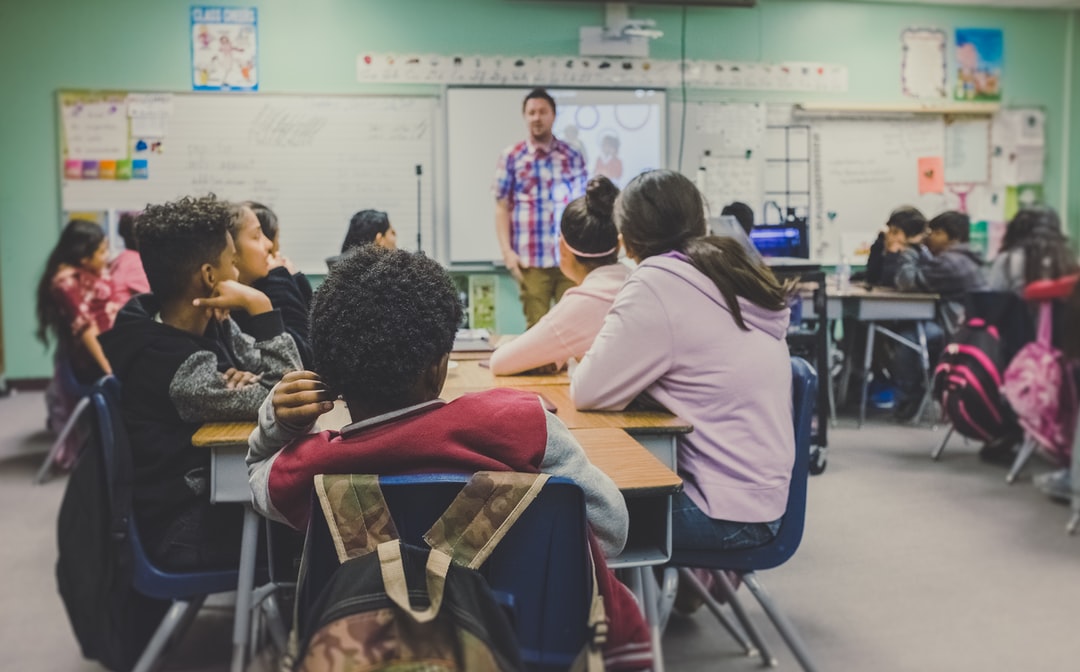
- Inclusive classrooms: Inclusion involves integrating special needs students into regular classroom activities. This may be partial inclusion, where students join a regular classroom for half of the day, or full inclusion, where there isn’t any difference between a special education class and a general class. SPED inclusion teachers help students with special needs build social skills and boost self-esteem. However, students who need a lot of assistance or are disruptive may not thrive in this atmosphere.
- Resource rooms: Resource rooms are separate special needs classrooms inside of general public or private schools that students use for a portion of the day. These rooms are for students who need more attention and support following their learning styles. Special needs students may go to resource rooms when the general classrooms are too distracting or the material being taught is too difficult.
- Self-contained classrooms: Students with significant learning or physical disabilities and needs can learn in a self-contained classroom. These classrooms are part of special education programs separate from the general school atmosphere, and students will spend most of their day here.
- Home and hospital instruction: Learning from home or a hospital setting is usually a temporary solution for special needs students who suffer from medical, emotional, or psychological conditions that don’t allow them to attend school as they normally would.
Special educators must adapt and develop Individualized Education Plans (IEPs) for students, as well as monitoring progress and providing support. While education is the main responsibility of a SPED teacher, they also must work with the parents of their students and administrators to guarantee that they meet all of the student’s needs.
How To Become a SPED Teacher: A Step-by-Step Guide
The process to become a SPED teacher can vary, but the general format is similar. The SPED teacher requirements involve completing these steps:
- Step 1: Get a bachelor’s degree in special education
- Step 2: Complete a state-specific SPED Teacher Preparation Program
- Step 3: Pass all appropriate certification exams
- Step 4: Apply for or renew a teaching license
- Step 5: Get an SPED Endorsement
There are additional steps for higher education, more advanced certifications, and gaining experience at private or public schools for teachers who want to work toward more career options or higher salaries.
Adult learners looking for flexible and efficient study options can start by looking into the City University of Seattle (CityU). CityU lets learners complete courses at their own pace and offers fully online, onsite, or hybrid formats. CityU’s practical approach makes it easy to determine how to become an elementary teacher or get a master’s in special education.
Educational Requirements for Special Education Teachers
Special education teachers must have a degree in education or special education from an accredited program. These programs often require a certain amount of experience in the field or student teaching in order to graduate.
Each state also has varying requirements that depend on the age and level of schooling. For example, teaching childhood special education classes will require different degrees and certifications than helping students with special needs in a university.
Starting With a Bachelor’s Degree in Education
The most common route to becoming a SPED teacher is to get a four-year bachelor’s degree in special education. These courses often focus on general education, special education, and field experience. Other relevant degrees include a Bachelor of Arts Degree in Education, Elementary Education, or Early Childhood Education.
Keep in mind that programs not specifically focused on special education may require teacher candidates to also obtain additional degrees, endorsements, or certifications.
Advancing With a Master’s or Doctoral Degree
Although not always necessary, getting a master’s or doctoral degree in special education will not only improve educational skills but also open up career paths for other opportunities. A master’s degree can lead to a higher SPED teacher salary, leadership roles, and specialized positions. A doctoral degree in special education is a good path for those interested in doing research, creating policies, or teaching at the university level.
Keep in mind that beginning with a degree unrelated to education, such as an associate’s degree in general studies, will require pursuing a Master’s Degree in Special Education or other credentials to get certified in most states.
SPED Teacher Endorsements & Certifications
In the U.S., special educators must have a special education state certification, endorsement, licensure, or a combination of the three. A special education endorsement signifies that a teacher has had sufficient training and received a license for special education.
To get an endorsement, teachers must already have a teaching license. These endorsements can be specific, such as an early childhood education endorsement or one for autism spectrum disorders, or more general, covering broader special needs.
Likewise, there are SPED teacher certifications that show expertise in specific areas. Teachers can also work toward advanced certifications that can boost their career options, such as a National Board Certification or a Registered Behavior Technician (RBT) certification. Certification requirements vary by topic.
SPED Teacher Preparation Programs: What To Look For
One of the most important factors in becoming an effective SPED teacher is getting the appropriate training and education. Selecting the right program means looking at several elements that go into SPED teacher preparation.
First, find out if the program is accredited. The program must meet the national and state standards for special education teaching so employers and state licensing boards will recognize it.
Getting hands-on experience is also essential. Select a program with clinical practice, supervised teaching experiences, and fieldwork where theory can mix with real-world situations.
Finally, consider the curriculum quality. Make sure the course syllabus covers all major areas, such as assessment, behavior management, education strategies, and special education law.
Career Opportunities for SPED Teachers
The career opportunities available to SPED teachers will depend on their level of education and amount of experience. While the most common jobs in special education are K-12 teaching jobs, special education roles aren’t limited to the classroom. Getting a Master’s in Special Education can open the door for other careers such as:
- Educational tester: Assessing kids to help parents and teachers understand their needs and improve early childhood development
- Clinical roles: Working at hospitals or clinics to help both children and adults receive the support they need
- Behavior intervention specialist: Assisting students, parents, and teachers in finding the best ways to improve an individual student’s behavior and actions in the classroom
- Director: Developing and designing curricula and special education programs
From teaching early childhood education to influencing special education departments, there are many career opportunities in the field that work in concert to help those in need.
Essential Skills Every Special Education Teacher Needs
Teachers of any kind require a special skill set that allows them to understand what students need to succeed and how to help them in the best way possible. While they may not always appear in the SPED teacher job description, these are important skills to have:
- Adaptation: Special education classes are different each day. Teachers must be able to make changes on the fly and deviate from the planned material as needed to help students understand the lesson and keep them motivated.
- Patience: Special education students require more support and encouragement than those in general classes, making patience a key skill for teachers. Being able to remain calm while managing a classroom can provide students with the space and time they need to succeed.
- Communication: Communication is very important in the classroom. Teachers need to set expectations, provide feedback, teach material, and motivate students. Another key factor is active listening and picking up signs from students to understand the best way to tailor their education.
- Empathy: Being able to relate to each individual student and their struggles is important and helps create a more welcoming atmosphere. Displaying and promoting empathy spreads positivity across the entire class, making a safe and trustworthy space for all students to learn.
- Assessment: Assessment skills are important for ensuring students are at the level they’re supposed to be at. Special education teachers use achievement tests, behavior rating scales, and IQ tests to evaluate each student.
- Creativity: Being an effective teacher involves frequent problem-solving. Keeping students in line, motivated, and connected often means teachers have to think out of the box and use methods that aren’t straightforward.
- Organization: Having a clean, organized space for learning limits distractions and allows students to focus on the lessons. Careful planning helps make the organization of desks and teaching materials more efficient for students.
Start Your Special Education Career With Support from CityU
If you’re interested in becoming a special education teacher or learning more about the process, enrolling in CityU is one of your best options. We offer Special Education Endorsements and a master’s in special education to help you on your career path. Learn how to be a professional educator and guide students with special needs to reach their full potential.
Learn more about CityU today and get your special education career started.